“`json
{
“headline”:”Tax Return for Freelancers: Self-Employment Filing Guide (South Africa 2025)”,
“content”:”
- Detailed Guide
- How Freelancers Are Taxed in South Africa
- Step-by-Step: Filing Your Tax Return as a Freelancer in 2025
- What You Can Deduct as a Freelancer
- Real South African Examples
- Example 1: Graphic Designer
- Example 2: Copywriter with VAT Registration
- Example 3: Part-Time Freelancer Below the Threshold
- Frequently Asked Questions
- Do I need to register a business to freelance in South Africa?
- What is provisional tax, and why does SARS require it?
- What counts as allowable business expenses?
- When do I need to register for VAT?
- How do I file my freelance tax return online?
- What if my freelance income is below the tax threshold?
- Can I carry forward losses from my freelance business?
- What happens if I miss a provisional tax deadline?
- Expert Tips for South Africans
If you’re a freelancer in South Africa, you’re part of a growing gig…
Detailed Guide
How Freelancers Are Taxed in South Africa
If you earn money as a freelancer in South Africa, you are considered self-employed—meaning you must handle your own tax affairs and submit returns to SARS. Freelancers are typically registered as sole proprietors and pay personal income tax on their net profit. For the 2025 tax year, if you earn more than R95,750 (if you’re under 65), you must submit a tax return. Income above this threshold is taxed using SARS’s progressive tax rates, which start at 18% and go up to 45% for very high earnings.
Freelancers are regarded as provisional taxpayers. This means you estimate your annual income and pay tax in advance, usually in two payments (August and February), with an optional third payment in September if necessary. This helps spread your tax liability and avoid a large lump sum at year-end.
Step-by-Step: Filing Your Tax Return as a Freelancer in 2025
- Register as a taxpayer: If you haven’t already, get your Taxpayer Reference Number (TRN) from SARS. This is essential for filing and managing your tax affairs.
- Track your income and expenses: Keep detailed records of all invoices, payments received, and business expenses. Use spreadsheets or accounting software to make this process easier.
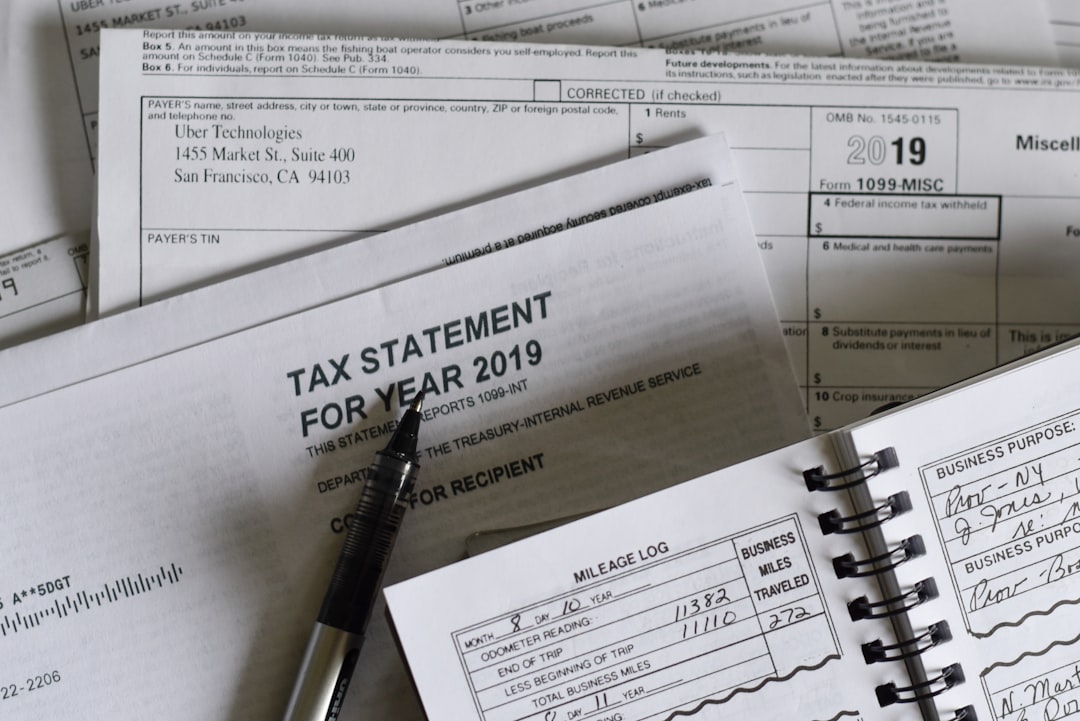
- Calculate your net profit: Subtract all allowable business expenses from your total income. Expenses can include home office costs, internet and phone bills, software subscriptions, travel costs (logbook required), and advertising.
- Submit provisional tax payments: SARS expects two payments—one in August and one in February. Estimate your profit as accurately as possible to avoid underpayment penalties.
- File your annual tax return: Use SARS eFiling to submit your return between July and October. Double-check all figures and upload supporting documents.
- Consider VAT registration: If your freelance turnover exceeds R1 million over 12 months, you must register for VAT. You can register voluntarily once you earn more than R50,000. VAT returns are filed separately.
What You Can Deduct as a Freelancer
- Home office expenses: Only if you have a dedicated workspace used exclusively for business.
- Travel costs: Keep a detailed logbook—only business-related travel is deductible.
- Office supplies and software: Anything needed to run your freelance business.
- Advertising and marketing: Costs for promoting your services.
- Professional fees: Accountant, legal, or consulting fees related to your business.
Always retain invoices and proof of payment for every deduction claimed.
Real South African Examples
Example 1: Graphic Designer
Thandi is a freelance graphic designer in Johannesburg. In 2025, her total income from client work is R320,000. Her business expenses—software subscriptions (R5,000), a dedicated home office (R15,000), advertising (R8,000), and internet/phone (R7,000)—total R35,000. Her taxable profit is R285,000. She falls into the 26% tax bracket, meaning her estimated tax liability is roughly R74,100 before rebates.
Example 2: Copywriter with VAT Registration
Sipho is a freelance copywriter in Cape Town. His annual earnings for 2025 total R1,200,000. Since he exceeds the R1 million VAT threshold, he registers for VAT. His business expenses are R120,000. He pays VAT on his invoices and files VAT201 returns every two months. His taxable profit is R1,080,000, placing him in the 41% tax bracket. He also claims input VAT on certain business expenses, reducing his overall VAT liability.
Example 3: Part-Time Freelancer Below the Threshold
Naledi is a part-time freelance photographer earning R60,000 in 2025, with R10,000 in business expenses. Her net profit is R50,000. Since her income is below the R95,750 threshold, she is not required to pay income tax, but she still submits a tax return to SARS.
Frequently Asked Questions
Do I need to register a business to freelance in South Africa?
No, you can operate as a sole proprietor using your own name. You only need to register a business with CIPC if you want a separate legal entity or trade under a different name.
What is provisional tax, and why does SARS require it?
Provisional tax is a system for self-employed people to pay income tax in advance, twice a year, based on estimated annual profits. It helps spread your tax burden and ensures you don’t face a large lump sum at year-end.
What counts as allowable business expenses?
Expenses incurred wholly and exclusively for your freelance work—such as home office costs, equipment, software, travel, and advertising—are deductible. Keep all supporting documents to justify your claims.
When do I need to register for VAT?
You must register for VAT if your annual turnover exceeds R1 million. You can register voluntarily if your turnover is over R50,000. VAT returns are filed separately from income tax.
How do I file my freelance tax return online?
Register for SARS eFiling, complete your return using your actual income and expenses, and submit all supporting documents. SARS’s platform guides you through each step.
What if my freelance income is below the tax threshold?
You may not owe income tax, but SARS still expects all taxpayers to submit annual returns. This keeps your tax records up to date and avoids penalties.
Can I carry forward losses from my freelance business?
Yes, if your expenses exceed your income, you can carry forward the loss to offset future profits, reducing your future tax liability.
What happens if I miss a provisional tax deadline?
SARS may impose penalties and interest for late payments or submissions. Always diarise deadlines and submit on time to avoid unnecessary charges.
Expert Tips for South Africans
- Automate your record-keeping: Use accounting software or online invoicing tools to track income and expenses throughout the year.
- Set aside tax money monthly: Open a separate savings account for tax and transfer a portion of each payment received.
- Know your deadlines: SARS provisional tax payments are due in August and February; annual tax returns are usually due by October.
- Double-check deductions: Only claim expenses that are genuinely for business—SARS is strict about documentation.
- Plan for VAT registration: If your turnover is nearing R1 million, prepare for registration and understand how VAT affects your pricing.
- Consult a tax professional: For complex cases or high earnings, a qualified accountant can help you maximise deductions and stay compliant.
- Stay informed: SARS updates tax rules annually; subscribe to their updates or check their website regularly so you don’t miss changes for 2025.