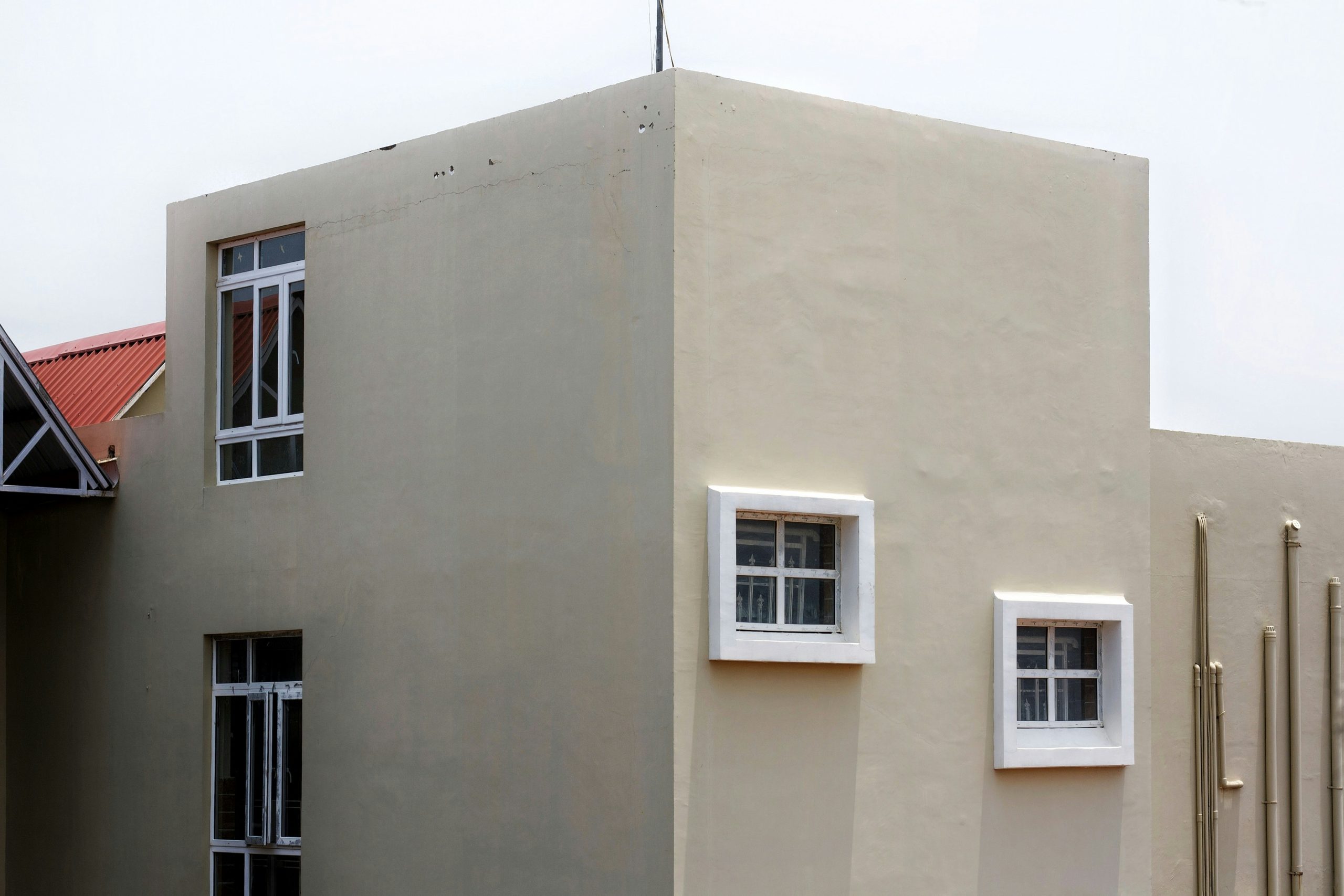
Should You Invest in Township Property in 2026?
Township property is getting a lot of attention. More people want affordable homes and rentals. But is it a good investment in 2026? Let’s break it down with real numbers, trends, and what you need to watch out for.
- Should You Invest in Township Property in 2026?
- What’s Happening in the Township Property Market?
- How Much Can Your Money Grow?
- What’s New in 2026?
- What Are the Risks?
- How Does Township Property Compare to Other Investments?
- Step-by-Step: How to Invest in Township Property
- Common Mistakes to Avoid
- Real Example: How the Numbers Work
- What to Watch Out for in 2026
- Is It Worth It? The Bottom Line
- Related Articles
What’s Happening in the Township Property Market?
Township homes are still the cheapest way to get into property. In 2025, you could buy a basic two-bedroom RDP-style house for about R350,000 to R500,000. Bigger houses or corner stands go for R600,000 to R900,000. Rentals are strong because many people can’t afford to buy.
Demand for affordable housing is growing. More people are moving to townships because city prices are too high. This means more renters and buyers. In 2026, experts expect prices in affordable areas to go up by 5% to 8% per year. So, a R500,000 house could be worth R525,000 to R540,000 after one year. Over five years, that’s about R600,000 to R700,000 if the trend keeps going.
Rental demand is also strong. A simple two-bedroom house can rent for R3,000 to R4,500 a month. If you build rooms at the back, you can rent each for R1,000 to R1,500. Some owners make R8,000 to R12,000 a month from one property by renting out rooms.
How Much Can Your Money Grow?
Let’s use a real example. Say you buy a house in Soweto for R500,000. You rent it out for R4,000 a month. That’s R48,000 a year. If you pay a 10% deposit (R50,000) and get a 20-year bond at 11% interest, your monthly payment is about R4,800. You’ll need to add rates, insurance, and repairs, maybe R500 extra per month.
At first, your rent just covers your bond. But as rents go up (say 5% a year), you start making a profit. After five years, your rent could be R5,100 a month. Your bond stays the same. That’s how you start to make money.
If prices go up by 6% a year, your R500,000 house is worth about R670,000 after five years. If you sell, you pay off the bank and keep the profit. But remember, you pay agent fees (about 5%) and maybe capital gains tax.
What’s New in 2026?
Interest rates are steady, sitting around 10% to 11%. This helps more people buy, but banks still want a deposit. Some banks now offer 100% bonds, but only for people with good credit and stable jobs. If you’re self-employed or have bad credit, you’ll need a bigger deposit.
Building costs are going up. Bricks, cement, and labour are all more expensive in 2026. If you want to add rooms or upgrade, budget for at least R6,000 to R8,000 per square metre. A basic 12m² room costs about R80,000 to build.
There’s more focus on safety and services. Buyers want houses with walls, gates, and good water and electricity. If your property has these, it’s easier to rent or sell.
What Are the Risks?
Township property is not risk-free. Here’s what you need to watch out for:
Some areas have high crime. This can scare off renters or buyers.
Getting tenants to pay on time is hard. Many pay late or not at all. You must check their job and get a deposit.
Some properties have title deed problems. Always check the deed is clean before you buy.
Building without plans is common. If you add rooms, make sure you have council approval. If not, you can get fined or forced to break down the rooms.
Service delivery is slow in some areas. Water or electricity cuts can make tenants leave.
If the area is declining (bad schools, dirty streets, gangs), prices can drop. You could lose money if you need to sell fast.
How Does Township Property Compare to Other Investments?
Township property is cheaper than city flats or houses. You can start with less money. The rental return (called yield) is often higher. For example, a R500,000 house renting for R4,000 a month gives you a yield of 9.6%. In the suburbs, a R1 million flat renting for R7,000 a month gives you 8.4%.
But township property is harder to sell quickly. Banks are strict about lending in some areas. Prices don’t always go up fast. If you want to sell, it can take months to find a buyer.
If you want steady rent and don’t mind some admin, township property can work. If you want quick growth or easy selling, suburbs or city flats might be better.
Step-by-Step: How to Invest in Township Property
Here’s how you can do it:
First, pick an area where people want to live. Check schools, taxis, shops, and crime.
Next, check property prices. Look at what houses sold for in the last six months.
Then, visit the area. Talk to neighbours. Ask about water, lights, and crime.
Related: Netflix vs Showmax in South Africa: 2025 Streaming Showdown
Check the title deed. Make sure the seller is the real owner and there are no debts on the house.
Apply for a bond at your bank. Compare offers. Some banks want a 10% deposit, others more.
Once you buy, fix up the house. Paint, fix leaks, add a gate if needed.
Find good tenants. Ask for payslips and a deposit. Write a rental agreement.
Collect rent every month. Fix problems quickly to keep tenants happy.
Common Mistakes to Avoid
Many new investors make these mistakes:
Buying without checking the title deed. You can lose your money if the deed is not clean.
Not checking the area. If crime is high, you’ll struggle to rent or sell.
Building rooms without council plans. The council can break them down or fine you.
Not saving for repairs. Roof leaks, burst pipes, and broken doors happen. Keep money aside.
Trusting tenants without checking. Always check their job, ID, and get a deposit.
Real Example: How the Numbers Work
Say you buy a house in Khayelitsha for R400,000. You rent out the main house for R3,500. You build two back rooms for R80,000 each (R160,000 total). Each room rents for R1,200. Your total rent is R3,500 + R2,400 = R5,900 a month.
Your bond on R400,000 is about R3,800 a month. Add R500 for rates and repairs. You spend R4,300 a month. Your rent is R5,900. That’s a profit of R1,600 a month. Over a year, that’s R19,200. After five years, if rents go up by 5% a year, you could be making R7,500 a month.
If the property value goes up by 6% a year, after five years your R400,000 house is worth about R535,000. If you sell, you pay off the bank and keep the profit.
What to Watch Out for in 2026
Interest rates are steady, but can go up if the economy struggles. If rates hit 12%, your bond payment jumps. Always check if you can afford higher payments.
Building costs are rising. Budget for more if you want to add rooms. Labour is also more expensive in 2026.
Some areas are growing fast, others are not. Look for places with new malls, schools, or taxi ranks. These areas will grow faster.
Government is pushing for more affordable housing. This helps township prices, but also means more competition if lots of new houses are built.
Is It Worth It? The Bottom Line
If you want to start small, township property is a good way in. You can buy for less, rent out for a solid return, and grow your money over time. But you must do your homework. Pick the right area, check all the papers, and manage your tenants well.
Expect prices to grow by 5% to 8% a year in good areas. Rents will also go up, but slowly. If you buy smart and manage well, you can make a steady profit. If you rush in or skip checks, you can lose money.
Take your time, ask questions, and don’t be afraid to walk away if something doesn’t feel right. That’s how you make township property work for you in 2026.
Related: Sanlam Investment Platforms 2026