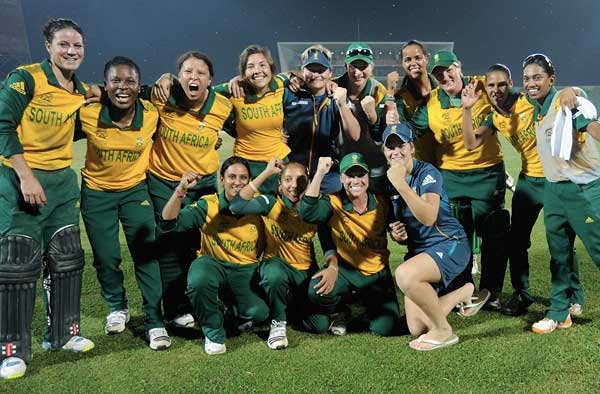
The Big Rise of South Africa’s Women’s Cricket Team
South Africa’s women’s cricket team, known as the Proteas Women, has gone from being unknown to one of the best sides in the world. Twenty-five years ago, hardly anyone noticed them. Now they’re smashing records, reaching World Cup semi-finals, and producing stars like Laura Wolvaardt. Here’s how they did it – and why it matters.
- The Big Rise of South Africa’s Women’s Cricket Team
- The Long Road: From Struggle to Success
- Why Are They Winning Now? The Real Reasons
- Real Numbers: World Cup Runs, Records, and Results
- How Did They Get So Good? Step-by-Step Changes
- Common Mistakes People Make About Women’s Cricket
- Comparing the Old Days to Now
- Why Does This Matter?
- What’s Next for the Team?
The Long Road: From Struggle to Success
Women’s cricket in South Africa started in 1959. In those days, there was no support and no money. Apartheid made it even harder. South Africa was banned from world sport, so the women couldn’t play other countries. They missed out on over 20 years of international cricket. Only in 1997 did they get back onto the world stage. Their first Women’s World Cup was in 2000, where they shocked England and made it to the semi-finals. That put them on the map.
After that, progress was slow. No big sponsors, not much TV, and hardly any fans at games. Most players had to work normal jobs because they didn’t get paid to play. But they kept going. Slowly, the team started to get better results and more attention. By the 2010s, things began to change for real.
Why Are They Winning Now? The Real Reasons
The last ten years have been game changers for the Proteas Women. Here’s what made the difference:
Players now get professional contracts. This means cricket is their main job, so they can train full-time and focus on getting better.
More girls are playing cricket at school. There are grassroots programs to spot talent early and give them good coaching.
Women’s cricket finally got sponsors and TV time. More money means better facilities and more fans.
The team is tight. They work together, lift each other up, and play as a unit. That mental toughness helps them bounce back after a loss.
Star players like Laura Wolvaardt and Marizanne Kapp show girls what’s possible – and win games with big runs and wickets.
They’re not scared of the big teams anymore. They’ve beaten England, New Zealand, and Pakistan at World Cups.
Real Numbers: World Cup Runs, Records, and Results
In the 2025 Women’s World Cup, South Africa hammered Pakistan by 150 runs. Laura Wolvaardt scored 90 runs off 82 balls, helping the team get to 312 in just 40 overs. Marizanne Kapp made 68 runs and took 3 quick wickets. Nadine de Klerk finished strong with 41 runs off only 16 balls. That win took them to the top of the points table, ahead of Australia and England for a while.
Wolvaardt is the first South African woman to score 1,000 runs at World Cups, with an average of 57 in 21 matches. The team has now reached World Cup semi-finals in both ODI and T20 cricket. In the last two years, they even made two T20 World Cup finals. That’s a huge jump from where they started.
Example: If you went to a women’s game in 2010, you’d maybe see 200 people in the stands. In 2025, thousands show up, and matches are on TV. Sponsorship money has grown, so the top players can earn a real living from cricket now.
How Did They Get So Good? Step-by-Step Changes
It didn’t happen overnight. Here’s how it all changed:
First, Cricket South Africa started giving contracts to top women players. That meant they could give up other jobs and train full time. In 2017, only six players had contracts. By 2025, there are over 15 contracted Proteas Women, plus money for the best provincial players.
Next, schools and clubs started giving more attention to girls’ cricket. More girls got coaches, gear, and a chance to play against strong teams. This meant the talent pool got bigger and better. The best young players now get called up to national training camps from high school age.
Sponsors and TV companies started to care. As soon as there was money for better kit, travel, and support staff, results improved. Players now have fitness trainers, physios, and even mental coaches. This helps them compete with the world’s best.
Finally, the players themselves built a strong team culture. They support each other, work hard, and never give up – no matter who they’re playing. They don’t panic after a bad game. They trust each other and focus on the next match.
Common Mistakes People Make About Women’s Cricket
Many people still think women’s cricket is slow or boring. That’s not true. The games are fast, with scores over 300 runs in a 40-over match. Players hit big sixes and bowl at over 120 km/h. Another mistake is thinking the team is only good because of one or two stars. The truth is, the whole team pulls together. Even if a top player gets out early, someone else steps up.
Some think women’s cricket doesn’t pay well. It’s true it’s less than the men, but top Proteas Women now earn enough to focus full time. As the game grows, so does the money.
Comparing the Old Days to Now
| Feature | Old Days (before 2010) | Now |
|---|---|---|
| Professional players | None or very few | 15+ full-time contracts |
| Average World Cup finish | Out in group stage | Semi-finals, sometimes finals |
| TV/Media coverage | Almost none | National TV, lots of fans |
| Player salaries | Mostly unpaid, had other jobs | Can earn a living from cricket |
| School & club cricket | Very few options for girls | Many schools and clubs for girls |
Why Does This Matter?
The rise of the Proteas Women inspires young girls all over South Africa. It shows you can come from a small town and play for your country. It means more jobs and careers for women in sport. And it brings in money and pride for South Africa. The more fans and sponsors get involved, the stronger the team will get.
It’s also about fairness. For years, sport was just for men in SA. Now, women get a real shot. This helps break down old ideas and gives everyone a chance to shine.
What’s Next for the Team?
The Proteas Women have their sights set on a World Cup win. They know they can beat the top teams – and fans believe it too. More girls are picking up a bat or ball every year. If you want to see real action, go watch a women’s game. You’ll be surprised at how good they are – and how far they’ve come. The best may still be ahead.