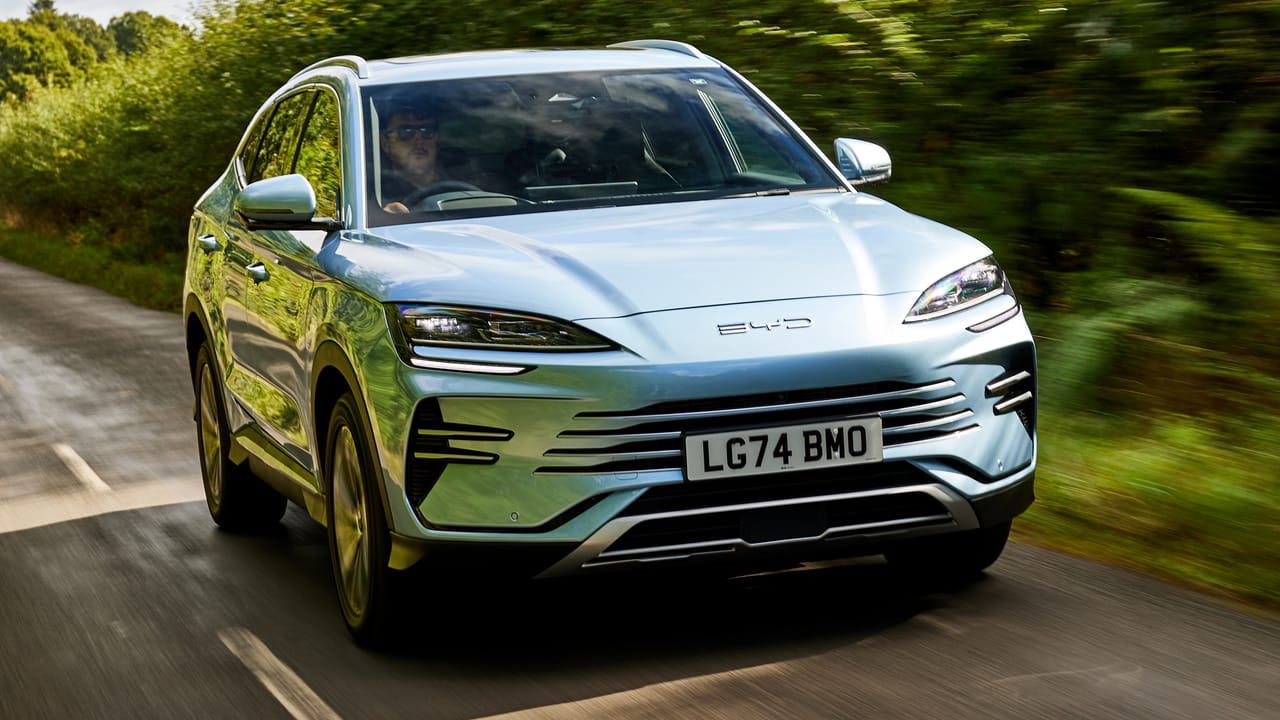
Why BYD Is Betting on South Africa for Electric Cars
BYD, the world’s biggest electric car maker, is putting a lot of money into South Africa. By the end of 2026, they want to have 200 to 300 ultra-fast charging stations running across the country. These new chargers can fill up a car for 400 km of driving in just five minutes. That’s faster than anything we’ve seen here before.
- Why BYD Is Betting on South Africa for Electric Cars
- How Fast Charging Changes the Game
- Why Now? What’s Changed in 2025 and 2026?
- Key Reasons BYD Is Investing in South Africa
- What Does This Mean for You?
- How BYD’s Fast Charging Will Work
- Real Example: What It Means for Your Pocket
- What to Watch Out For
- BYD vs Other Brands: Who’s Winning?
- Final Thoughts: Is BYD’s Bet Good for SA?
- Related Articles
So, why is BYD doing this? South Africa is the biggest car market in Africa. If you want to win in Africa, you have to start here. BYD wants to be the first brand that comes to mind when people think of electric cars. They’re not just selling cars – they’re building the roads (well, the charging stations) for the electric car future.
How Fast Charging Changes the Game
One of the biggest reasons people are scared to buy electric cars is “range anxiety.” That’s the worry you’ll run out of power and get stuck. BYD’s new chargers can give you enough power for a trip from Joburg to Durban in less than 10 minutes. That’s a game-changer. Most current chargers in SA take 30 minutes to an hour for a decent top-up. These new BYD chargers are 10 to 20 times faster.
BYD’s new “flash charging” stations use 1,000 kW power. For comparison, most fast chargers in SA today are only 60-150 kW. This means you can stop, grab a coffee, and be back on the road before you finish your muffin.
Why Now? What’s Changed in 2025 and 2026?
More South Africans are looking at electric cars. Petrol prices are up, load shedding is less of a problem, and government is talking about cleaner transport. BYD has already launched affordable models like the Dolphin Surf, starting around R340,000. That’s cheaper than most new petrol cars.
But fast, reliable charging is still missing. BYD wants to fix that. They’re starting with their own dealerships, then moving to highways and busy city spots. The plan is to cover 100% of South Africa, even smaller towns. Some chargers will use solar power, so people in rural areas can also join the electric car revolution.
Key Reasons BYD Is Investing in South Africa
South Africa is Africa’s biggest car market – if you win here, you can win across the continent.
Electric cars need fast, easy charging to become popular – BYD wants to be first to offer it everywhere.
BYD’s cars are getting cheaper – models like the Dolphin Surf start at R340,000, making them more affordable for regular people.
High petrol prices and less load shedding mean more people are open to electric cars now.
BYD wants to beat other brands to the punch – Volvo, BMW, and Mercedes are also fighting for this market.
They’re using both Eskom power and solar, so they can build chargers even where the grid is weak.
Related: Investing in Township Property in 2026: Is It Worth It?
What Does This Mean for You?
If you’re thinking about an electric car, this is big news. Right now, finding a charger is hard unless you live in a big city. BYD’s plan means you could drive from Joburg to Cape Town with quick stops along the way, just like with petrol. No more worrying about getting stuck with a flat battery.
It also means more choice. As BYD builds chargers and sells more cars, other brands will have to step up too. Expect more competition, lower prices, and better service.
How BYD’s Fast Charging Will Work
The new BYD chargers will use a mix of Eskom power and solar panels. Where there’s good grid power, they’ll plug straight in. In smaller towns or rural areas, they’ll use solar plus batteries. This helps BYD reach places other brands can’t.
These “flash charging” stations can charge a 100 kWh battery from 7% to over 50% in five minutes. That’s enough for 400 km of driving. Even if your car can’t take the full 1,000 kW yet, the stations will work with lower speeds too.
Real Example: What It Means for Your Pocket
Say you buy a BYD Dolphin Surf for R340,000. Petrol for a similar car costs about R2,000 a month if you drive 1,000 km. Charging an electric car at home costs about R400 for the same distance. With BYD’s fast chargers, you can top up quickly on a road trip for about R150 to R200 per charge (depending on Eskom and solar prices).
This means you could save over R1,500 a month on fuel alone. Over five years, that’s almost R100,000 in savings. Plus, you won’t need oil changes or many of the repairs petrol cars need.
What to Watch Out For
Don’t rush out and buy the first electric car you see. Not all electric cars can use these super-fast chargers yet. BYD’s own models will work best, but check the specs before you buy.
Also, charging prices could change. If Eskom raises prices or there’s a solar shortage, costs might go up. Always check the latest info before you plan a long trip.
BYD vs Other Brands: Who’s Winning?
| Feature | BYD | Other Brands (BMW, Volvo, etc.) |
|---|---|---|
| Charging Speed | Up to 1,000 kW (5 min for 400 km) | 60-150 kW (30-60 min for 300 km) |
| Charger Coverage | 200-300 stations by end 2026 | Mostly in big cities, fewer stations |
| Car Price (entry) | From R340,000 (Dolphin Surf) | From R650,000 and up |
| Solar Charging | Yes, at many sites | Rarely |
| Local Manufacturing | No (for now) | Mostly imports, some planning factories |
Final Thoughts: Is BYD’s Bet Good for SA?
BYD’s big investment means more South Africans will get to try electric cars. With faster charging, lower running costs, and more stations in more places, it’s a big step forward. Even if you don’t buy a BYD, this move will force all car brands to up their game. That’s good for everyone who wants cheaper, cleaner, and easier travel in South Africa.
Related: Netflix vs Showmax in South Africa: 2025 Streaming Showdown