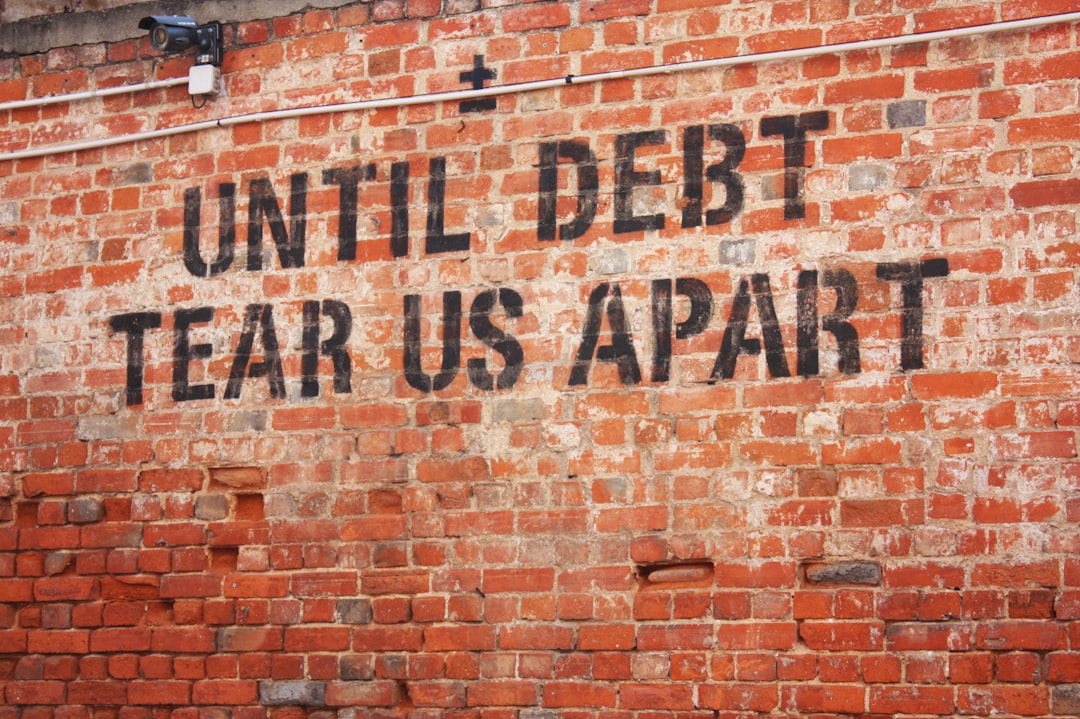
Imagine this: you’re sitting at your kitchen table in Johannesburg, sipping your morning coffee, staring at a pile of credit card statements, store accounts, and maybe even a personal loan statement. The total amount feels overwhelming, and juggling multiple monthly payments is giving you sleepless nights. You’re not alone. In 2024, many South Africans find themselves in this exact spot, trying to figure out how to get a grip on their debt without drowning in interest or missing payments.
- Why Debt Consolidation Loans Are Becoming Popular in South Africa
- Walking Through a Real-Life Example
- How South African Banks Handle Debt Consolidation Loans in 2024
- The Pros and Cons You Should Know
- Is Debt Consolidation Right for You?
- How to Apply and What to Expect
- Other Options: Debt Counselling and Repayment Strategies
- Looking Ahead: What the Numbers Say
- What You Can Do Right Now
Why Debt Consolidation Loans Are Becoming Popular in South Africa
Debt consolidation loans have become a hot topic in South Africa lately, especially with the economy still finding its feet after a tough few years. The South African Reserve Bank cut interest rates by 50 basis points in 2024, bringing some relief, but inflation and living costs are still nudging many households towards borrowing to stay afloat. With over 18 million South Africans actively using credit, and personal loans accounting for 77% of new credit openings in Q2 2024, it’s clear that managing multiple debts is a widespread challenge[6][7].
So, what exactly is a debt consolidation loan? Simply put, it’s a new loan you take out to pay off several existing debts. Instead of juggling different payments, due dates, and interest rates, you make one monthly payment on the consolidation loan. It sounds straightforward, and for many, it really is a game-changer.
Walking Through a Real-Life Example
Let me tell you about Thandi, a 35-year-old graphic designer from Durban. She had credit card debt of around R30,000, a store card balance of R15,000, and a personal loan with a high interest rate totaling R20,000. Every month, her repayments added up to nearly R6,000, which was squeezing her budget tight. She was struggling to keep up because her income varied slightly with freelance work.
Thandi approached her bank, Standard Bank, and asked about consolidating her debt. They offered her a debt consolidation loan at an interest rate of around 14% per annum, which is competitive compared to the 20%+ interest she was paying on her credit cards. The loan term was set for 36 months, with monthly repayments of about R2,000. This single payment was much more manageable within her monthly budget.
With her debts consolidated, Thandi felt an immediate relief. She no longer worried about missing payments or juggling multiple due dates. Plus, the fixed repayment term meant she had a clear timeline for becoming debt-free.
How South African Banks Handle Debt Consolidation Loans in 2024
Most of the big players in South Africa’s banking sector offer debt consolidation loans, but the terms and rates vary. Here’s how a few of the major banks stack up this year:
FNB typically offers debt consolidation loans with interest rates ranging from about 12% to 18%, depending on your credit profile. They provide flexible terms, usually between 12 and 60 months, and you can apply online or in-branch. FNB also has a handy budgeting app to help you keep track of your repayments.
Standard Bank’s rates hover around 13% to 17% for consolidation loans, with terms up to 60 months. They focus on assessing your overall financial health, so showing steady income and good credit history helps you get better rates.
ABSA offers similar rates, with an emphasis on customer service. If you’re a loyal customer, you might get preferential rates or tailored repayment plans. Their online tools make it easy to calculate your repayments before committing.
Capitec is known for its straightforward lending approach. Their personal loans, which many use for consolidation, have rates starting around 13.5%. Capitec prides itself on quick approvals and simple application processes, which can be a relief when you want to sort your debt fast.
Nedbank’s consolidation loans are competitive too, with interest rates typically in the 12% to 16% range. They focus on responsible lending and sometimes offer financial wellness advice alongside the loan.
Keep in mind, your interest rate will depend heavily on your credit score and your debt-to-income ratio. If your credit score is low, you might face higher rates or stricter terms.
The Pros and Cons You Should Know
Debt consolidation loans sound great, but like anything financial, they’re not a magic fix. The biggest plus is simplicity—one monthly payment instead of many. This can reduce stress and help you budget better. Also, if you get a lower interest rate than your existing debts, you save money over time.
But watch out for the pitfalls. Sometimes, if you stretch the loan term to lower your monthly payment, you might end up paying more interest overall. And if you’re not disciplined, consolidating your debts might just be the start of a new cycle of borrowing. I’ve seen people fall into the trap of clearing old debts only to rack up new ones on their credit cards.
Is Debt Consolidation Right for You?
Before you rush off to apply for a consolidation loan, take a moment to look at your situation honestly. How much debt do you have? What are the interest rates on your current loans? Can you realistically afford the monthly payment on a consolidation loan?
If your debts are mostly high-interest credit cards and personal loans, consolidation can be a smart move. But if you have debts with low interest, like a home loan or student loan, consolidating those might not be beneficial. Also, if your income is unstable, make sure you factor that into your repayment ability.
Remember, debt consolidation is a tool, not a cure-all. It works best when combined with a solid budget and a plan to avoid new debt.
How to Apply and What to Expect
Applying for a debt consolidation loan in South Africa is fairly straightforward, especially with the big banks offering online applications. You’ll need to provide proof of income, ID, bank statements, and details of your existing debts. The bank will assess your affordability, credit history, and risk profile.
Approval times vary but can be as quick as 24 to 48 hours with banks like Capitec and FNB. Once approved, the loan amount is usually paid directly to your creditors, clearing your old debts, and you start making monthly payments to the bank.
Keep an eye out for any fees involved, such as initiation fees or early settlement penalties on your existing debts. Some banks include these in the consolidation loan, so it’s important to read the fine print.
Other Options: Debt Counselling and Repayment Strategies
If a consolidation loan isn’t feasible, South Africa offers alternatives. Debt counselling, for instance, can give you legal protection and lower monthly payments by restructuring your debt over a longer period. This is especially useful if you’re struggling to keep up with creditors but want to avoid sequestration.
You can also try the snowball method, where you pay off your smallest debts first while making minimum payments on others. This builds momentum and confidence as you clear each debt. But if your debts are large and interest rates high, consolidation might still be the better financial move.
Looking Ahead: What the Numbers Say
According to DebtBusters, more South Africans are successfully clearing their debts, with over 1,000 consumers receiving clearance certificates in Q1 2024—ten times the number from 2016. These consumers paid nearly R600 million to creditors while under debt counselling, showing a growing focus on managing debt responsibly[1].
The Reserve Bank’s easing of interest rates in 2024, combined with a slight recovery in the economy, means borrowing costs are a bit friendlier now, but you still have to be cautious. With unemployment still high at around 32.8%, many people are balancing tight budgets, making debt consolidation a practical option for those who qualify[2].
What You Can Do Right Now
If you’re nodding along, feeling that debt consolidation might be the answer for you, here’s how to get started. First, gather all your debt information—balances, interest rates, monthly payments. Next, check your credit score on platforms like TransUnion or Experian to understand your borrowing power.
Then, reach out to your current bank or any of the major banks—FNB, Standard Bank, ABSA, Capitec, or Nedbank—and ask about their debt consolidation loan options. Use their online calculators to get a feel for monthly repayments and total interest costs.
Don’t rush. Compare offers, ask about fees, and make sure the monthly payment fits comfortably within your budget. If you’re unsure, consider talking to a registered debt counsellor through the National Credit Regulator’s website to explore your options without risking your credit standing.
Finally, commit to a plan. Consolidating your debt won’t help if you keep using credit irresponsibly. Set up a budget, track your spending, and aim to become debt-free within the loan term.
Managing debt is tough, but with the right approach and tools, you can take control and build a healthier financial future. It’s like finally clearing that mountain of paperwork on your kitchen table—once it’s gone, the peace of mind is priceless.